
Managed Service Providers (MSPs) often rely on cookie-cutter agreements or generic templates to save time and costs.
While this approach might seem convenient, it can leave your business vulnerable to legal, financial, and operational risks. MSPs operate in a dynamic industry where services, client expectations, and regulations evolve constantly.
Generic contracts simply can’t keep up.
In this blog, we’ll explore the risks of using cookie-cutter agreements and why tailored, dynamic contracts are essential for protecting your business and supporting your growth.
1. One-Size-Fits-All Doesn’t Fit MSPs
Today’s MSPs handle everything from cloud infrastructure to cybersecurity, making standardized agreements dangerous. What’s right for one business may not be right for the other.
There’s a high chance that the standardized template you intend to follow is written by someone who lacks experience in your industry.
The Problem:
Generic contracts are designed to cover a broad range of scenarios, but they fail to address the specific nuances of MSP services.
The Risk:
- Key terms like service scope, cybersecurity responsibilities, and vendor liability may be absent or poorly defined.
- Ambiguities in generic language can lead to disputes, scope creep, or unanticipated liabilities.
The Solution:
Customized contracts that reflect the unique services you offer and the risks specific to your industry ensure clarity and alignment with client expectations.
Read more about Outdated MSP Contract Risks.
2. Failure to Address Regulatory Compliance

The regulatory environment for MSPs has become increasingly complex, with new privacy laws emerging regularly. It makes generic agreements particularly risky.
The Problem:
One of the cookie-cutter contract risks is that they rarely include provisions for data privacy laws like GDPR, HIPAA, or state-specific regulations such as CCPA.
The Risk:
- Your MSP could be exposed to fines or lawsuits if your contract doesn’t adequately address compliance requirements.
- Ambiguities around data processing responsibilities can create disputes with clients or regulators.
The Solution:
Dynamic agreements that include specific Data Processing Agreements (DPAs) ensure your contracts stay aligned with ever-changing regulatory requirements.
3. No Room for Service Evolution
With new technologies and service offerings emerging constantly, the managed services industry moves fast. What started as basic network monitoring has expanded to include cloud services, cybersecurity, compliance management, and now AI-powered solutions.
The Problem:
Static contracts don’t account for changes in your service offerings or technological advancements.
The Risk:
- As your business grows and your services expand, outdated contracts may not reflect your current operations.
- Clients may demand legacy services you no longer provide, leading to conflicts and reduced profitability.
The Solution:
Contracts designed to evolve with your business allow you to update terms, add new services, and retire old ones seamlessly.
4. Limited Protections Against Vendor and Cybersecurity Risks
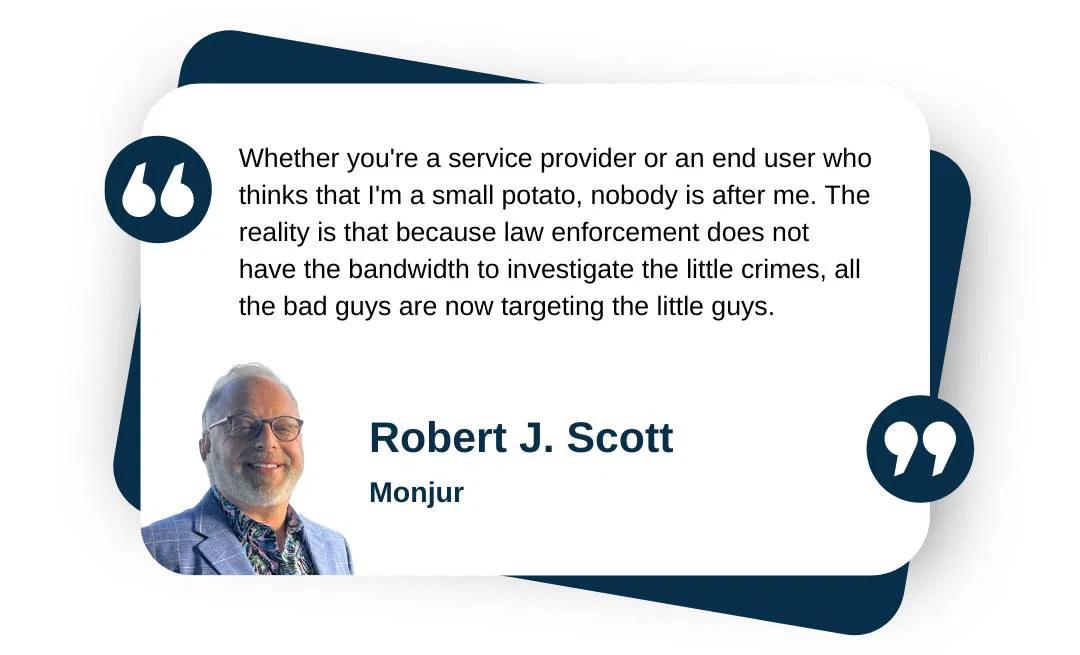
The recent surge in supply chain attacks and vendor-related breaches has highlighted a critical vulnerability in generic MSP agreements.
The Problem:
Generic contracts often lack clauses addressing the complexities of vendor management and cybersecurity risks.
The Risk:
- Without specific terms, you could be held liable for vendor failures or cybersecurity breaches beyond your control.
- Criminal acts like ransomware attacks may leave your MSP unfairly exposed to legal claims.
The Solution:
Customized agreements that include indemnification clauses, exclusions for vendor-related failures, and limitations of liability protect your business from unnecessary risks.
Read more about MSP Cybersecurity.
5. Inflexible Pricing Structures
Rising vendor costs or inflation could erode your profitability. Therefore, passing costs to clients is necessary for MSPs. But that becomes extremely difficult when contracts lack flexibility.
The Problem:
Cookie-cutter contracts for MSPs rarely allow for adjustments in pricing, leaving your business exposed to rising costs or inflation.
The Risk:
- You may lose profitability over time, especially if vendor costs increase.
- Clients may expect additional services without corresponding fee adjustments.
The Solution:
Customizable pricing clauses enable you to adapt to changing costs while maintaining transparency with your clients.
The Hidden Costs of Generic Agreements
While generic agreements may seem cost-effective, the risks they introduce often outweigh the initial savings.
The costs of disputes, legal liabilities, and lost client trust can be far more damaging to your business in the long run. From defending against claims where vendors failed to miss opportunities to adjust pricing as costs rise, the downstream effects can be devastating to an MSP’s bottom line.
Besides, the true cost of using generic agreements often remains hidden until a crisis hits. For MSPs handling sensitive client data and critical business systems, the stakes are even higher.
That’s why custom contracts for MSPs are a must.
Why Dynamic, Tailored Contracts Matter
Tailored agreements give MSPs:
- Clarity: Your tailored MSP agreements should clearly define terms, eliminate ambiguity and prevent disputes.
- Protection: Risk-balancing provisions shield your business from excessive liability.
- Flexibility: Dynamic terms allow your contracts to evolve with your services and industry regulations.
- Compliance: Regulatory-specific clauses ensure your contracts meet current legal standards.
These features become more important as your MSP takes on more clients and deals with stricter regulations. Pay attention to them while conducting your next MSP contract customization.
The Monjur Difference

At Monjur, we specialize in creating contracts that are as dynamic as your business. Our Contracts-as-a-Service (CaaS) solution ensures your agreements reflect the complexities of your services, keep up with changing regulations, and provide the protections your MSP needs to thrive.
Don’t settle for cookie-cutter contracts. Contact us today to learn how Monjur can help protect your business with tailored, dynamic agreements.
This article is general information, not legal advice, and does not create an attorney-client relationship with Scott & Scott, LLP. Outcomes depend on each client's facts; prior results do not guarantee a similar outcome.

Rob Scott
CEO & Co-Founder, Attorney
Attorney with 25+ years of MSP legal experience. Co-Founder of Scott & Scott, LLP and Monjur. Has overseen contracting for 1,000+ MSPs.
Rob Scott is an attorney with more than 25 years of experience in MSP and technology law, and the co-founder of both Scott & Scott, LLP and Monjur. He has overseen customer contracting for more than 1,000 managed service providers and built Monjur to bring attorney-supervised contract intelligence to the MSP industry.
Licensed in Texas since 1999, Rob earned his J.D. from the Maurice A. Deane School of Law at Hofstra University and his B.A. in Economics and Philosophy from Austin College. His practice focuses on software licensing, software audit defense, data privacy, and vendor risk, representing MSPs and enterprise clients in transactions and disputes with major software publishers.